- English
- Chinese
- French
- German
- Portuguese
- Spanish
- Russian
- Japanese
- Korean
- Arabic
- Irish
- Greek
- Turkish
- Italian
- Danish
- Romanian
- Indonesian
- Czech
- Afrikaans
- Swedish
- Polish
- Catalan
- Esperanto
- Hindi
- Lao
- Albanian
- Amharic
- Armenian
- Azerbaijani
- Belarusian
- Bengali
- Bosnian
- Bulgarian
- Cebuano
- Chichewa
- Corsican
- Croatian
- Dutch
- Estonian
- Filipino
- Finnish
- Frisian
- Galician
- Georgian
- Gujarati
- Haitian
- Hausa
- Hawaiian
- Hebrew
- Hmong
- Hungarian
- Icelandic
- Igbo
- Javanese
- Kannada
- Kazakh
- Khmer
- Kurdish
- Kyrgyz
- Latin
- Latvian
- Lithuanian
- Luxembou..
- Macedonian
- Malagasy
- Malay
- Malayalam
- Maltese
- Maori
- Marathi
- Mongolian
- Burmese
- Nepali
- Norwegian
- Pashto
- Persian
- Punjabi
- Serbian
- Sesotho
- Sinhala
- Slovak
- Slovenian
- Somali
- Samoan
- Scots Gaelic
- Shona
- Sindhi
- Sundanese
- Swahili
- Tajik
- Tamil
- Telugu
- Thai
- Ukrainian
- Urdu
- Uzbek
- Vietnamese
- Welsh
- Xhosa
- Yiddish
- Yoruba
- Zulu
- Kinyarwanda
- Tatar
- Oriya
- Turkmen
- Uyghur

Anti-Clogging Nozzle Design: Top China Manufacturer
2026-10-29
- Understanding the Core Principles of Anti-Clogging Nozzle Design
- Why Anti-Clogging Nozzles Are Critical for Waterscape Projects
- Technical Features of High-Performance Anti-Clogging Nozzles
- Comparison: Standard Nozzles vs. Anti-Clogging Nozzles
- Application Scenarios for Anti-Clogging Nozzles
- How Shenyang Feiya Integrates Advanced Nozzle Technology
- Selection Guide: Choosing the Right Anti-Clogging Nozzle
- Frequently Asked Questions (FAQ)
- Conclusion: Ensuring Long-Term Value Through Superior Design
Anti-clogging nozzle design refers to specialized hydraulic engineering solutions that prevent debris accumulation and blockage in high-pressure water systems. By optimizing internal flow channels, incorporating self-cleaning mechanisms, and utilizing wear-resistant materials, these nozzles ensure consistent spray patterns and reduced maintenance downtime. For industrial and landscape applications, selecting a manufacturer with proven R&D capabilities, such as Shenyang Feiya Water Art Garden Engineering Co., Ltd., is critical for achieving long-term operational reliability and aesthetic precision in complex waterscape projects.
Understanding the Core Principles of Anti-Clogging Nozzle Design
In the realm of fluid dynamics and waterscape engineering, nozzle clogging remains one of the most persistent operational challenges. Traditional nozzles often suffer from blockages due to particulate matter, mineral deposits, or biological growth within the water supply. An effective anti-clogging nozzle design addresses these issues at the fundamental level of hydraulic architecture.
The primary objective is to maintain laminar or turbulent flow integrity without interruption. When debris enters a standard nozzle, it lodges in the narrowest point of the aperture, causing pressure buildup, erratic spray patterns, or complete system failure. Advanced designs mitigate this by altering the geometry of the flow path. Instead of sharp angles where sediment can settle, modern anti-clogging nozzles utilize streamlined, tapered interiors that accelerate fluid velocity, effectively flushing out smaller particles before they can accumulate.
Furthermore, the integration of filtration systems directly into the nozzle body is a hallmark of superior design. This multi-stage approach ensures that only clean water reaches the final emission point, preserving the visual quality of fountains and the efficiency of industrial spraying systems. For companies like Shenyang Feiya Water Art Garden Engineering Co., Ltd., which has constructed over 100 large and medium-sized fountains since 2006, understanding these hydrodynamic principles is not just theoretical—it is a practical necessity derived from years of field experience.
Key Hydraulic Mechanisms Preventing Blockages
To achieve true anti-clogging performance, engineers focus on three specific mechanical strategies:
- Vortex Flow Technology: By inducing a swirling motion within the nozzle chamber, centrifugal force pushes heavier particles toward the outer walls and away from the central exit orifice. This keeps the core flow path clear.
- Self-Flushing Channels: Some designs incorporate secondary bypass channels that remain open even when the main spray is active. These channels allow a small volume of water to continuously flush the interior surfaces, preventing sediment settlement during operation.
- Large-Particle Pass-Through: Unlike traditional filters that block everything, certain anti-clogging nozzles are designed with enlarged internal diameters that allow larger debris to pass through without getting stuck, relying on downstream filtration or settling tanks for removal.
Why Anti-Clogging Nozzles Are Critical for Waterscape Projects
Waterscape projects, particularly large-scale musical fountains and ecological garden installations, demand high aesthetic consistency. A single clogged nozzle can disrupt a choreographed water show, creating visible gaps in the display. Beyond aesthetics, clogging leads to uneven pressure distribution across the manifold, potentially damaging pumps and piping systems due to backpressure spikes.
Shenyang Feiya Water Art Garden Engineering Co., Ltd. emphasizes the importance of reliable components in its design and construction enterprise. With a team comprising more than 80 technicians, including 15 senior engineers and 3 professor-level senior engineers, the company recognizes that the longevity of a waterscape project depends heavily on the resilience of its individual components. The use of anti-clogging nozzles reduces the frequency of manual cleaning, which is both labor-intensive and costly, especially for fountains located in hard-to-access areas or large bodies of water.
From an ecological perspective, efficient nozzles contribute to water conservation. Clogged nozzles often leak or mist excessively, leading to water loss through evaporation and wind drift. By maintaining precise spray angles and droplet sizes, anti-clogging designs ensure that water is used efficiently, aligning with the principles of ecological balance and environmental quality improvement that guide modern landscape planning.
Technical Features of High-Performance Anti-Clogging Nozzles
When evaluating anti-clogging nozzle design, several technical features distinguish premium products from standard offerings. These features are the result of rigorous testing in well-equipped laboratories, such as the fountain demonstration room and equipment processing workshop maintained by industry leaders.
1. Optimized Internal Geometry
The internal surface finish of the nozzle plays a crucial role in preventing adhesion of minerals and biofilm. High-quality nozzles feature polished internal surfaces with minimal friction coefficients. This smoothness prevents particles from sticking to the walls and allows water to flow with maximum efficiency. The geometry is often computed using Computational Fluid Dynamics (CFD) simulations to identify and eliminate stagnation zones where debris could accumulate.
2. Wear-Resistant Materials
High-pressure water carries abrasive particles that can erode standard brass or plastic nozzles over time, enlarging the orifice and altering the spray pattern. Anti-clogging nozzles are typically manufactured from stainless steel (such as SS304 or SS316), bronze, or specialized engineering plastics like POM (Polyoxymethylene). These materials offer superior resistance to corrosion and abrasion, ensuring that the nozzle maintains its dimensional accuracy over years of operation.
3. Modular and Serviceable Structure
Maintenance ease is a key component of anti-clogging design. Modular nozzles allow for quick disassembly and cleaning without replacing the entire unit. This design philosophy supports the operational efficiency pursued by companies like Shenyang Feiya, where rapid maintenance translates to lower lifecycle costs for clients. The ability to swap out internal filters or cores extends the service life of the nozzle body significantly.
Comparison: Standard Nozzles vs. Anti-Clogging Nozzles
Understanding the differences between conventional and anti-clogging solutions helps project managers make informed procurement decisions. The following table highlights the key distinctions in performance, maintenance, and application suitability.
| Feature | Standard Nozzle | Anti-Clogging Nozzle |
|---|---|---|
| Internal Structure | Simple straight or tapered bore; prone to stagnation points. | Complex vortex or self-flushing channels; streamlined flow paths. |
| Clogging Resistance | Low; requires frequent manual cleaning. | High; designed to pass debris or self-clean during operation. |
| Maintenance Frequency | High; weekly or monthly inspection often needed. | Low; quarterly or annual maintenance usually sufficient. |
| Spray Consistency | Degrades quickly as partial blockages occur. | Remains stable over long periods due to consistent flow. |
| Material Durability | Often standard brass or plastic; susceptible to erosion. | Stainless steel or high-grade engineering polymers; erosion-resistant. |
| Initial Cost | Lower upfront investment. | Higher upfront investment but lower total cost of ownership. |
| Best Application | Clean water systems, temporary installations. | Large fountains, industrial cooling, reclaimed water systems. |
Application Scenarios for Anti-Clogging Nozzles
The versatility of anti-clogging nozzle design makes it suitable for a wide range of industries. While initially developed for demanding industrial processes, these nozzles have become indispensable in modern waterscape and landscaping projects.
Large-Scale Musical Fountains
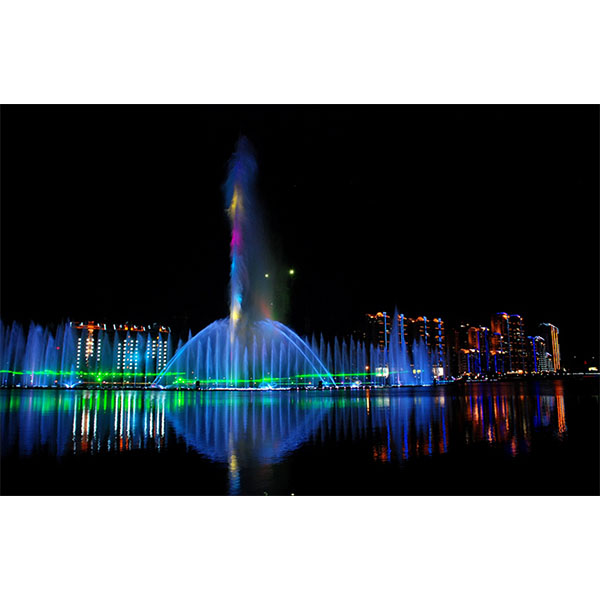
Musical fountains require precise synchronization between water jets and lighting effects. A clogged nozzle can ruin the visual symmetry of a performance. Given Shenyang Feiya’s extensive experience in building over 100 large and medium-sized fountains domestically and internationally, the reliability of each nozzle is paramount. Anti-clogging nozzles ensure that every jet performs as programmed, delivering the high-impact visual experiences that define award-winning waterscapes.
Ecological Landscape and Greening Projects
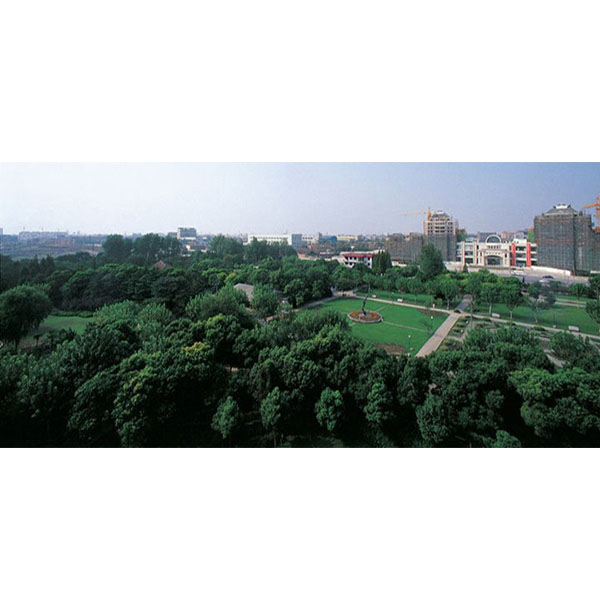
In ecological garden construction, water sources may include reclaimed water or pond water, which contain higher levels of organic matter and suspended solids. Using standard nozzles in such environments leads to rapid blockage and bacterial growth. Anti-clogging nozzles, with their ability to handle impurities and resist biofilm formation, support the comprehensive functions of the garden while providing greater ecological and economic benefits. This aligns with the principle of combining garden construction with environmental science.
Industrial Cooling and Dust Suppression
Beyond landscaping, these nozzles are critical in industrial settings where water quality is not perfectly controlled. In cooling towers or dust suppression systems, clogging can lead to equipment overheating or ineffective pollution control. The robust design of anti-clogging nozzles ensures continuous operation in harsh environments, reducing downtime and improving workplace safety.
How Shenyang Feiya Integrates Advanced Nozzle Technology
Shenyang Feiya Water Art Garden Engineering Co., Ltd. is not merely a supplier but a comprehensive design and construction enterprise. Since 2006, the company has accumulated rich experience and abundant human and material resources, allowing it to integrate advanced nozzle technologies seamlessly into broader waterscape projects.
The company’s six departments, including the design department, engineering department, and operation department, work collaboratively to select the right nozzle specifications for each unique project. The presence of a well-equipped laboratory and fountain demonstration room enables the team to test anti-clogging nozzle designs under realistic conditions before deployment. This rigorous testing phase ensures that the nozzles can withstand the specific water quality and pressure requirements of each site.
With more than 50 construction workers and a strong technical backbone of 20 engineers and 10 green engineers, Shenyang Feiya ensures that the installation of these specialized nozzles is executed with precision. Proper installation is just as critical as the design itself; incorrect alignment or sealing can compromise the anti-clogging features. The company’s Grade A qualification from the China Waterscape Fountain Committee, awarded in 2008, reflects its commitment to high standards in both product selection and construction quality.
Moreover, the company’s recognition as an advanced taxpayer and its consistent production value exceeding 10 million for four consecutive years demonstrate its stability and capacity to handle large-scale projects. Clients benefit from this stability, knowing that their waterscape investments are backed by a financially sound and technically proficient partner.
Selection Guide: Choosing the Right Anti-Clogging Nozzle
Selecting the appropriate nozzle involves balancing performance requirements with environmental constraints. Here are key factors to consider:
- Water Quality: Assess the level of suspended solids, hardness, and biological content in the water source. Higher impurity levels require nozzles with larger pass-through capabilities or integrated filtration.
- Operating Pressure: Ensure the nozzle is rated for the system’s maximum operating pressure. High-pressure systems benefit from vortex designs that enhance atomization while resisting clogs.
- Spray Pattern Requirements: Determine the desired visual effect (e.g., solid stream, mist, fan). Anti-clogging mechanisms should not compromise the aesthetic quality of the spray pattern.
- Material Compatibility: Choose materials compatible with the water chemistry. Stainless steel is preferred for corrosive environments, while bronze offers excellent durability in freshwater applications.
- Maintenance Access: Consider the ease of access for future maintenance. Modular designs are preferable for installations where regular cleaning might be required.
Frequently Asked Questions (FAQ)
How does an anti-clogging nozzle work?
An anti-clogging nozzle works by optimizing the internal flow path to prevent debris accumulation. It often uses vortex technology to create centrifugal force that pushes particles away from the exit orifice, or incorporates self-flushing channels that continuously clean the interior surfaces during operation.
Can anti-clogging nozzles handle dirty water?
Yes, they are specifically designed to handle water with higher levels of suspended solids compared to standard nozzles. However, “dirty” water still requires pre-filtration to remove large debris that exceeds the nozzle’s pass-through capacity. They are ideal for reclaimed water or pond water applications when paired with appropriate filtration systems.
What materials are best for anti-clogging nozzles?
Stainless steel (SS304/SS316) and bronze are the most common materials due to their corrosion resistance and durability. Engineering plastics like POM are also used for specific applications where chemical resistance and low friction are prioritized.
Do anti-clogging nozzles require less maintenance?
Yes, significantly less. While standard nozzles may require weekly cleaning in challenging environments, anti-clogging nozzles can often operate for months or even years with minimal intervention, depending on water quality and usage intensity.
Why choose Shenyang Feiya for waterscape nozzle solutions?
Shenyang Feiya combines extensive practical experience with technical expertise. With over 100 completed projects, a team of senior engineers, and Grade A industry qualifications, the company provides end-to-end solutions from design to construction. Their in-house laboratory and demonstration facilities ensure that every nozzle selected meets the highest standards of performance and reliability.
Conclusion: Ensuring Long-Term Value Through Superior Design
Investing in high-quality anti-clogging nozzle design is a strategic decision that impacts the aesthetic appeal, operational efficiency, and maintenance costs of any waterscape or industrial water system. By preventing blockages and ensuring consistent performance, these nozzles protect the integrity of the entire hydraulic system.
For project developers, landscape architects, and facility managers, partnering with an experienced manufacturer like Shenyang Feiya Water Art Garden Engineering Co., Ltd. offers a distinct advantage. The company’s deep understanding of ecological balance, combined with its technical prowess in fountain research and construction, ensures that every component, down to the smallest nozzle, contributes to the overall success of the project.
Whether you are planning a new musical fountain, upgrading an existing landscape, or optimizing an industrial cooling system, selecting the right anti-clogging solution is essential. Leverage the expertise of a team that has consistently delivered value and innovation since 2006.
For detailed technical specifications, custom design consultations, or to discuss how our anti-clogging nozzles can enhance your next project, please contact our engineering team. Explore our related products and technical solutions to find the perfect fit for your needs.